It’s the giving season, the perfect time to invite kids to
get into the spirit and the act of giving. How, though, do we instill understanding
and generosity in the kids in our lives without making those who live in challenging
situations seem “other” or in a world apart from the lives our kids are living?
It’s not simple, but it’s where we -- coaches, parents, teachers, grandparents,
cousins and neighbors -- can make all the difference.
Kids are always listening. When we talk with kids openly and
with an empathetic lens about what we see around us, we’re building
responsible, thoughtful kids. When we make it personal through visiting Benevolent.net, reading people’s stories
together and talking through some of the reactions that kids might have to
reading about people’s circumstances and needs, we’re stretching all our
perspectives, learning from each other as we go.
If we give with
our kids, not just once a year but as a part of our family’s weekly life, and
if we talk about the needs and ambitions of people who have greater challenges
than ours, we’re modeling something they’ll carry with them into adulthood and
into their own children’s lives.
I asked a handful of people to share the ways in which they
weave giving into their family life. Here are three that I think I’d like to
try with my kids:
1 – One family collects money throughout the year, setting
some aside from allowance and spending money every week. At one set time each
year, the parents sit down with their kids and each family member suggests a
cause or effort they think the family should support. They talk about what
issues are important to them, come up with a list of organizations that address
their chosen issues, and make sure each kid gets to direct at least some of the
funds for the year as they send off their family donations.
2 – A second family does a range of things, both as a family
and as individuals. They go together as a family throughout the year to bring
donations to the local food pantry and shelter. They have regular conversations
about their own blessings and how fortunate they feel they are. Their oldest
started teaching classes to younger kids as a required community service, but
then got hooked and kept on volunteering.
3 – A third family has a rule that 10% of any money the kids
get (as gifts, from working, etc.) is saved for giving to others. Each kid
decides how to give his or her money and when. Sometimes they give to a cause
or project through their church, sometimes to a person in need in their
community, sometimes to a nonprofit. This way, each child is learning to set
aside some of his or her own funds for others and then gets to decide on his or
her own priorities for giving.
What if you chose a person a week on the Benevolent site? What if I did this with my kids? We could use that one person’s story and need to spark
conversation, talk about choices and personal commitment, to imagine ourselves
in another person’s shoes. Then we could give.
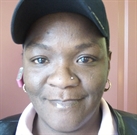
Maybe this week, it’ll be Tiffany who has already been
certified as a CNA (Certified Nursing Assistant) but wants more for herself and
her family than minimum wage. She wants to be a Nurse, an LPN.

Tiffany shares a great deal of her story, including the fact
that she had been pregnant with twins, but lost the babies, then lost her job.
She shares which college she’ll attend and how she will use the laptop she’s
hoping to get to help with online classes. There’s a great deal to talk about
there – goals, loss, setbacks, plans, and balancing kids, school and work – a
lot to talk about at the dinner table or on the drive to school.
- megan kashner, founder & ceo
Benevolent